How to make AI wedding vows sound natural is not a better prompt. It is an edit. A model will hand you ceremony cadence, soulmate adjectives, and a tidy arc that could fit any couple. Keep the useful skeleton. Overwrite every line until it sounds like you at the table — tired, specific, and willing to keep the promise.
This guide is the pass after the first draft: the tests, the cuts, and the swaps that turn generic speech into human speech. If you still need a method for getting a page at all, start with how to use ChatGPT to write wedding vows. If you already have a paragraph that feels fake, stay here until it could only be about this person.
Why AI Wedding Vows Sound Like a Model
Models write what statistically sounds like a wedding. That is the whole problem. You get the same emotional weather: I used to be incomplete, then I met you, now I promise forever. You get words you would never say while loading the dishwasher. You get a memory you did not live, because "more emotion" is easier to invent than to remember.
Natural speech has friction. It names a Tuesday. It admits a limit. It uses the nickname you actually use, or none at all. The standard you are editing toward is not prettier language. It is custom personal vows — evidence only you two would recognize. If a stranger could steal the paragraph after you remove the names, the model did its job and you have not done yours.
The Dinner-Table Test
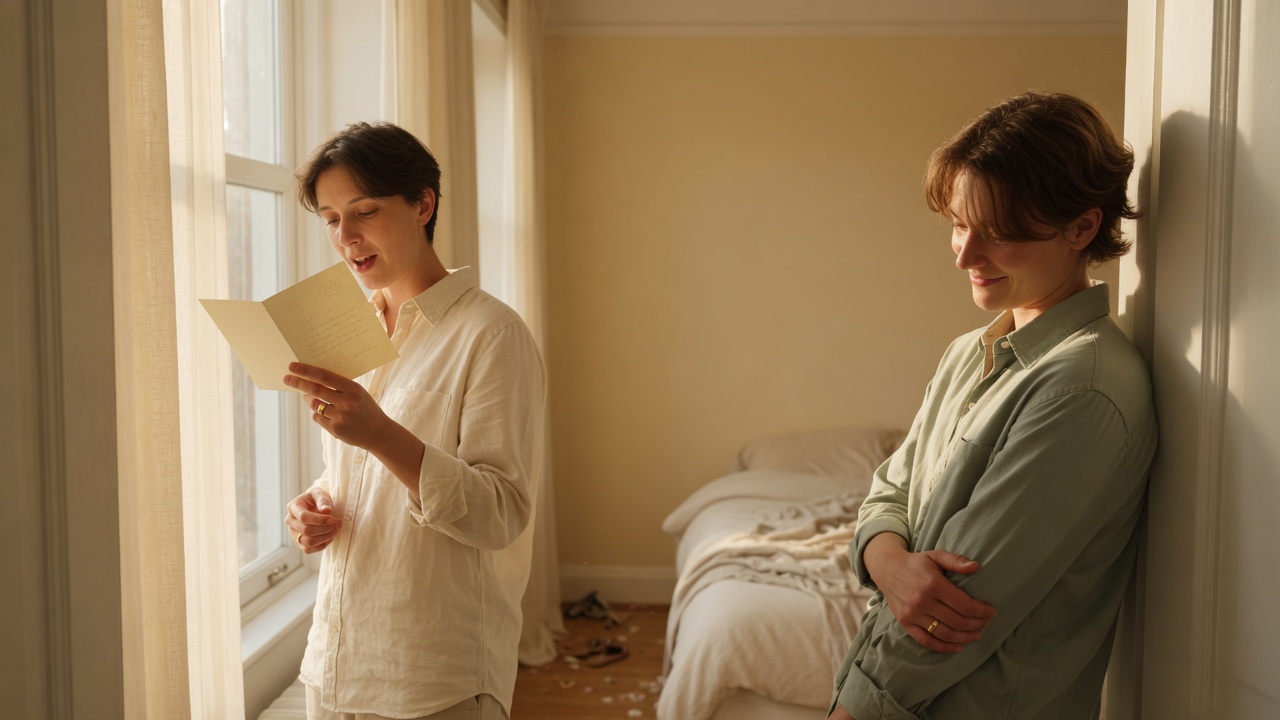
Stand up. Read the draft once, out loud, as if they were across from you at dinner. Do not perform it. Talk it. Mark every sentence that would make you wince if a friend overheard it. Those lines are costume, not promise.
Swap "my beloved" for how you actually address them. Replace "always" with a line you can keep when you are tired. If a sentence could live on a throw pillow, it is not done. Extra adjectives will not make it human. A living detail will.
A Line-by-Line Edit That Restores Your Voice
Do not regenerate the whole page because one paragraph feels stiff. That is how you lose the one true sentence you already have. Print it or copy it into a document you control. Then edit like a person with a pen, not like a user asking for a new vibe.
Work in this order so you do not decorate a hollow draft:
- Cut invented memories, movie quotes, and any fact you did not feed the model
- Keep one opening that sounds like you, even if it is plain
- Keep one living detail — a habit, a night, a small way they show up
- Keep two Tuesday-level promises you could keep next month
- Close on a choice, not a slogan
If the shape is a mess after the cuts, steal the order from wedding vow structure and pour your remaining lines into it. Do not ask the model to "make it more emotional." Emotion lives in the fact you almost did not write down. A hospital bag, a twice-locked door, the joke no one else finds funny — those are the lines a generator cannot invent honestly. Keep every sentence only you could have written. Delete the rest even if it sounds vow-like.
When two versions compete, pick with your mouth. The one that is easiest to say is usually the true one. Ceremony cadence is a costume. Keepable lines are the marriage.
Replace Slogan Language With Living Details
Generic AI vows hide in safe words: soulmate, forever, journey, my person, from this day forward. Ban the ones you already hate, then hunt the ones that snuck back in. For a longer cut list after you have a page, use wedding vows that don't sound cheesy so you are editing your life, not shopping someone else's examples.
A slogan names a feeling. A living detail proves it. "You are my calm" is a poster. "You pack the bag without making it a scene" is a marriage. Swap one abstract claim for one fact from your house, then stop adding poetry on top of it.
"I promise to keep making coffee the way you like it even when I am late, to tell you when I am wrong before the room does, and to keep this house a place where we can be tired without performing."
That temperature is the goal of a natural edit. Notice what is missing: a stack of adjectives, a timeline of every year, and a promise so huge it collapses by Thursday. If the draft still sounds like marriage in general, your notes were too thin. Add one ugly, specific fact and rewrite that sentence only.
Match the Rhythm of How You Actually Talk
AI drafts often arrive in even, polished sentences that all land the same way. People do not talk like that. You interrupt yourself. You use short lines. You let a joke sit in the middle and then get sincere. Read the draft again and break any sentence you would never finish in one breath.
Length is part of voice. Generators run long because length is free. A minute out loud is enough for most rooms. If public speaking is the real fear, write less, not more. If you already have three true sentences and you are only afraid they are not ceremonial, they are. For the broader writing process without a chatbot, stay with our step-by-step vow writing guide and keep the last edit in your own mouth.
Know When to Stop Editing
Stop when the paragraph fails the stranger test and you can say it without performing. Do not keep regenerating the night before because a new metaphor appeared. Copy the final version into a file you control. Let it sit for two days so the words can settle.
"You already know I am not a speech person. I am the person who drives you home. I vow to keep showing up like that — quietly, on purpose, for as many ordinary days as we get."
If the fear is length, not language, brief vow examples is complete when it includes a clear promise. You do not need another page of purple prose. The method is small: a first draft to argue with, one honest edit, a read-aloud, then leave it alone. The model got you off the blank page. The voice is still yours.
Frequently Asked Questions
How do I make AI wedding vows sound natural?
Treat the first output as a skeleton, not the promise. Cut invented memories and slogan language, keep one living detail and two keepable promises, then read the draft out loud as if you were at dinner. If a stranger could steal the paragraph after you remove the names, keep editing. Natural vows sound like you, not like a ceremony.
Why do AI-generated wedding vows sound fake?
Models write what statistically sounds like a wedding: soulmate adjectives, a tidy I-was-lost-then-I-found-you arc, and words you would never say at the table. They also invent memories when you ask for more emotion. Fake is not a software glitch. It is missing evidence from your actual life.
Should I regenerate AI vows or edit them by hand?
Edit by hand. Regenerating the whole page often deletes the one true sentence you already have. Print the draft, cut what you would never say, and rewrite only the hollow lines. Ask a model to shorten or ban phrases if you want, but do not let it add new stories to fill space.
What is the dinner-table test for wedding vows?
Read the vows out loud as if your partner were across from you at dinner, not on a stage. Mark anything that would make you wince if a friend overheard it. Swap formal address for how you actually talk, and replace always with a promise you can keep when you are tired. If it only works as a performance, it is not done.
Will guests know my vows were written by AI?
Guests hear a ceremony. Your partner hears whether it is actually you. They will notice slogans, fake memories, and a speech that could fit any wedding. They will not notice that a model helped you order sentences. Feed it real facts, then edit until every line sounds like something you would say at the table.
How long should edited AI wedding vows be?
Aim for about a minute out loud, often 100 to 160 words after you cut. Longer drafts hide the promise and sound more generated, not more loving. If you finish in under forty seconds, add one specific memory — not more adjectives. Pick the version that is easiest to say, not the one that looks the most like a speech.