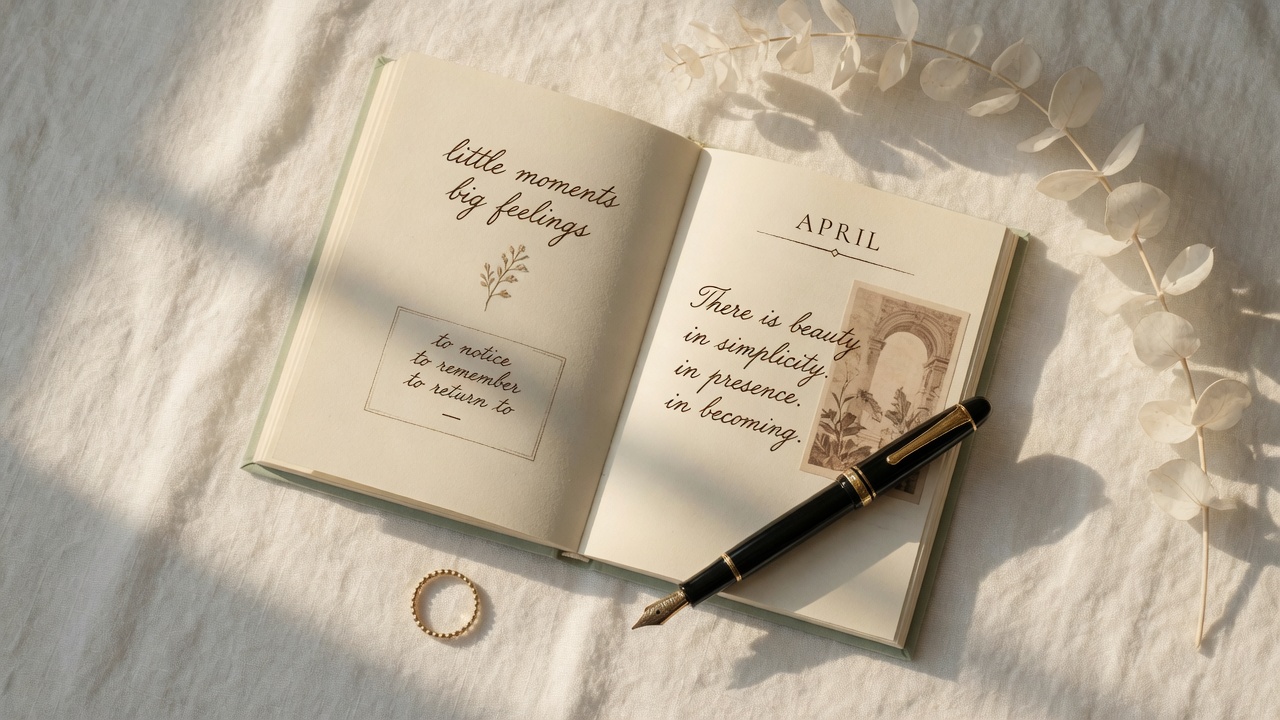
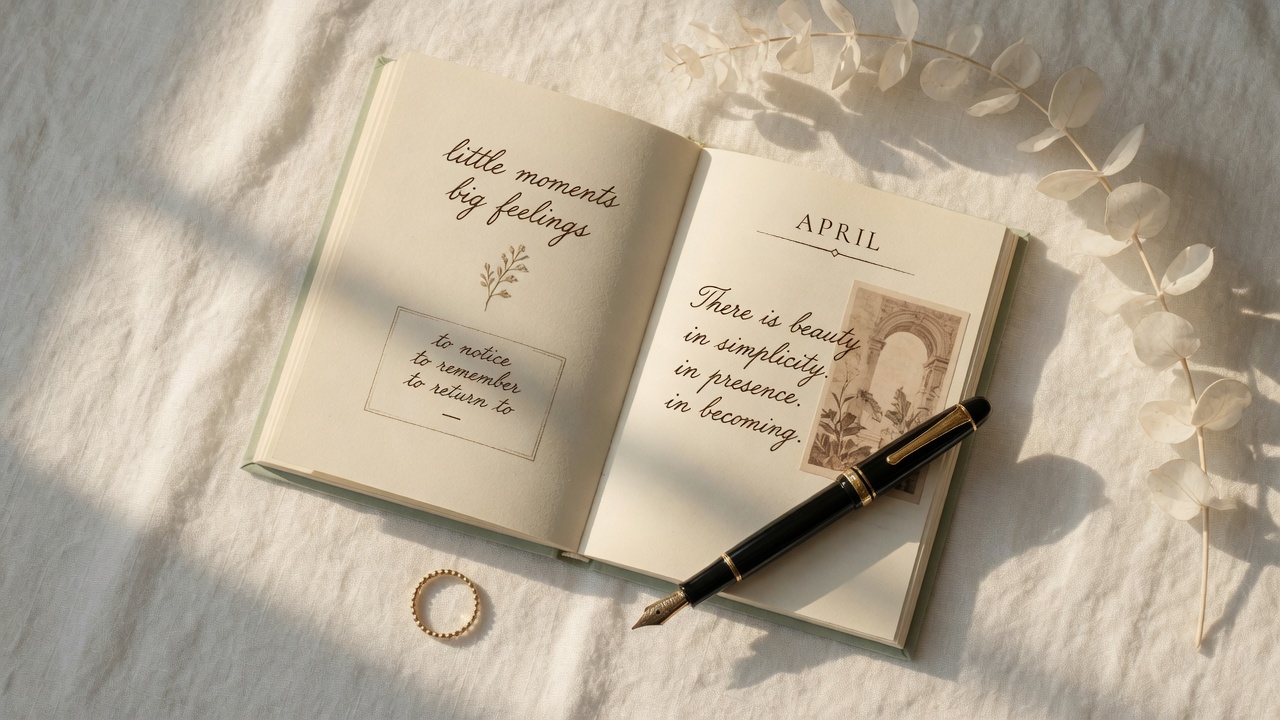
How to practice your wedding vows turns nervous jitters into heartfelt confidence so your ceremony feels personal and moving.
Consistent rehearsal builds muscle memory for pacing and emotion while helping you connect with your partner instead of staring at a page. A few focused sessions each week make all the difference.
Why Rehearsal Builds Real Confidence
Practicing out loud reveals awkward phrasing and helps you find your natural rhythm long before guests arrive.
Short daily sessions prevent last-minute panic and let the words feel like your own story.
Set a Simple Practice Schedule
Start three weeks out with ten-minute daily reads, then add longer run-throughs the final week. Consistency beats marathon sessions.
Mark time on your calendar just like any other wedding task so practice stays a priority.
Rehearse with a Mirror or Partner
Standing in front of a mirror shows body language you never notice on paper. Practice eye contact and relaxed posture while saying the lines.
“With you, every ordinary moment becomes extraordinary. I promise to laugh through the chaos and hold your hand through every chapter.”
Invite your partner for a joint read so timing and emotion sync naturally. See our how to write wedding vows for more phrasing ideas.
Record and Review Your Delivery
Phone recordings highlight filler words, rushed sections, and places where emotion gets lost. Listen back with fresh ears the next day.
Note two small fixes per session instead of overhauling everything at once.
Practice in the Real Venue Setting
Walk the aisle or stand at the altar spot during off-hours. The acoustics and sight lines change how your voice carries.
One full run-through on site often removes the biggest surprise factor on the wedding day.
Calm Nerves During Rehearsals
Deep breaths between paragraphs keep your voice steady when emotions rise. Pause, smile, and continue.
“I choose you today and every day after, through quiet mornings and wild adventures we haven’t imagined yet.”
Invite a trusted friend to listen so you grow comfortable with an audience.
Memorization Techniques That Actually Work
Break vows into short chunks and repeat each section three times before moving on. Pair lines with physical gestures for better recall.
“You are my safe place and my greatest adventure. I promise to love you fiercely and kindly for all our days.”
Print a backup copy in case memory falters during the moment.
Tools for Smooth Vow Delivery
Frequently Asked Questions
How many times should I practice my wedding vows?
Aim for short daily sessions over two to three weeks rather than one long cram. Ten focused minutes each day builds steady confidence without burnout.
Should I memorize my vows completely?
Full memorization works for some couples, but many prefer having notes nearby. Practice enough so you can glance up often and maintain eye contact.
What if I get emotional and forget my lines?
Pause, take a breath, and smile at your partner. Guests understand tears; a short pause feels natural and often makes the moment more touching.
Can I practice with my officiant present?
Yes, a quick run-through with your officiant helps with timing and lets them know when to prompt you gently if needed.
How do I practice vows with a long-distance partner?
Record voice memos for each other and schedule video calls for joint rehearsals. Hearing the words spoken builds connection even from afar.
Is it okay to use a teleprompter on the wedding day?
Many couples now use discreet teleprompter apps to stay calm. The tool keeps your focus on your partner instead of worrying about forgotten lines.