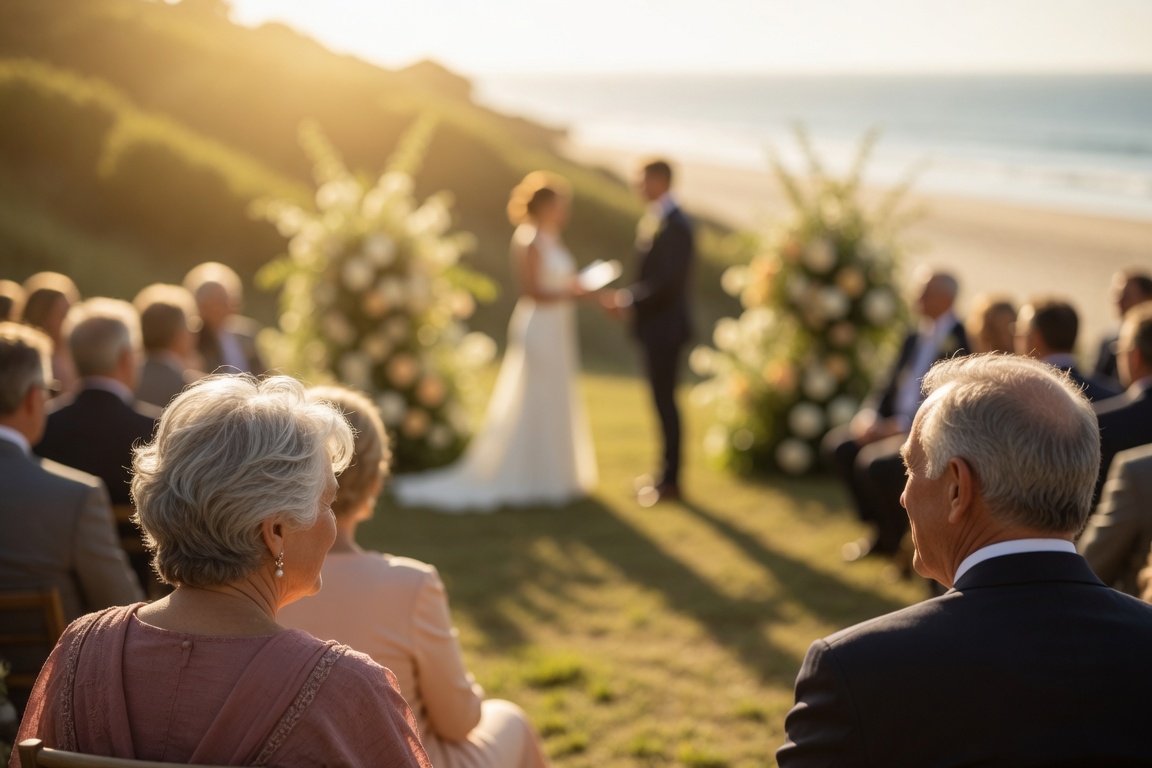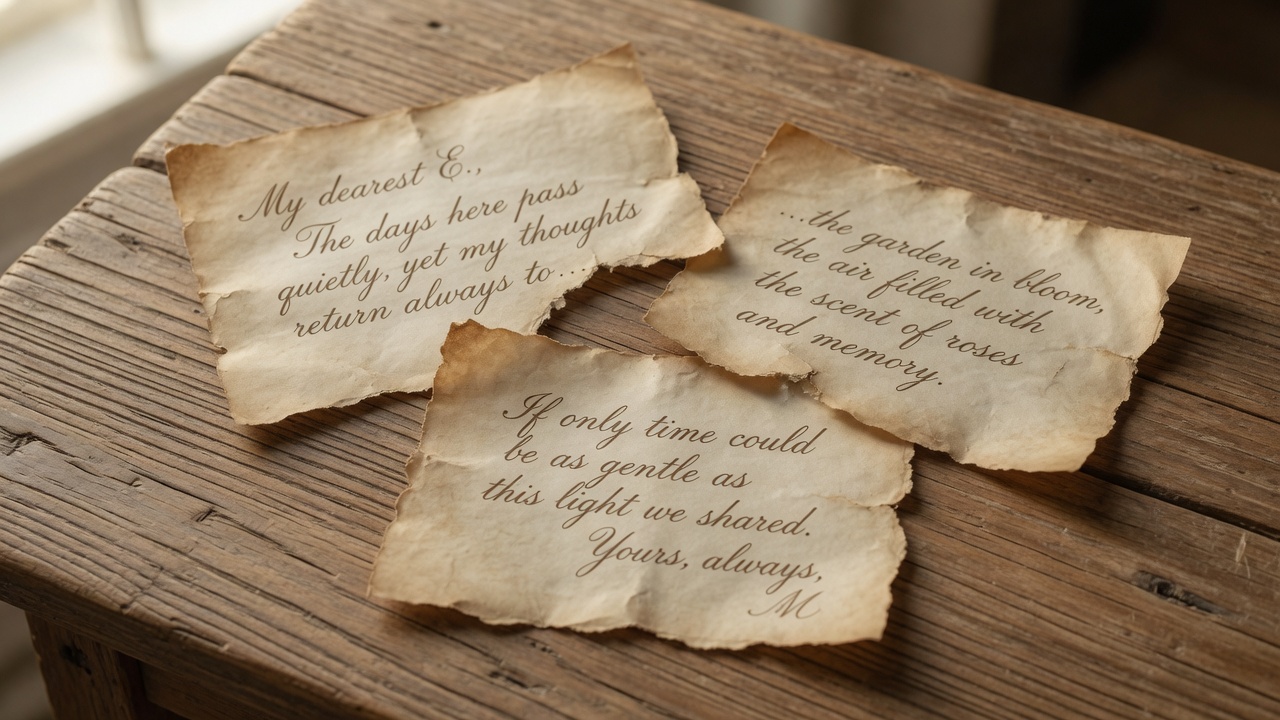
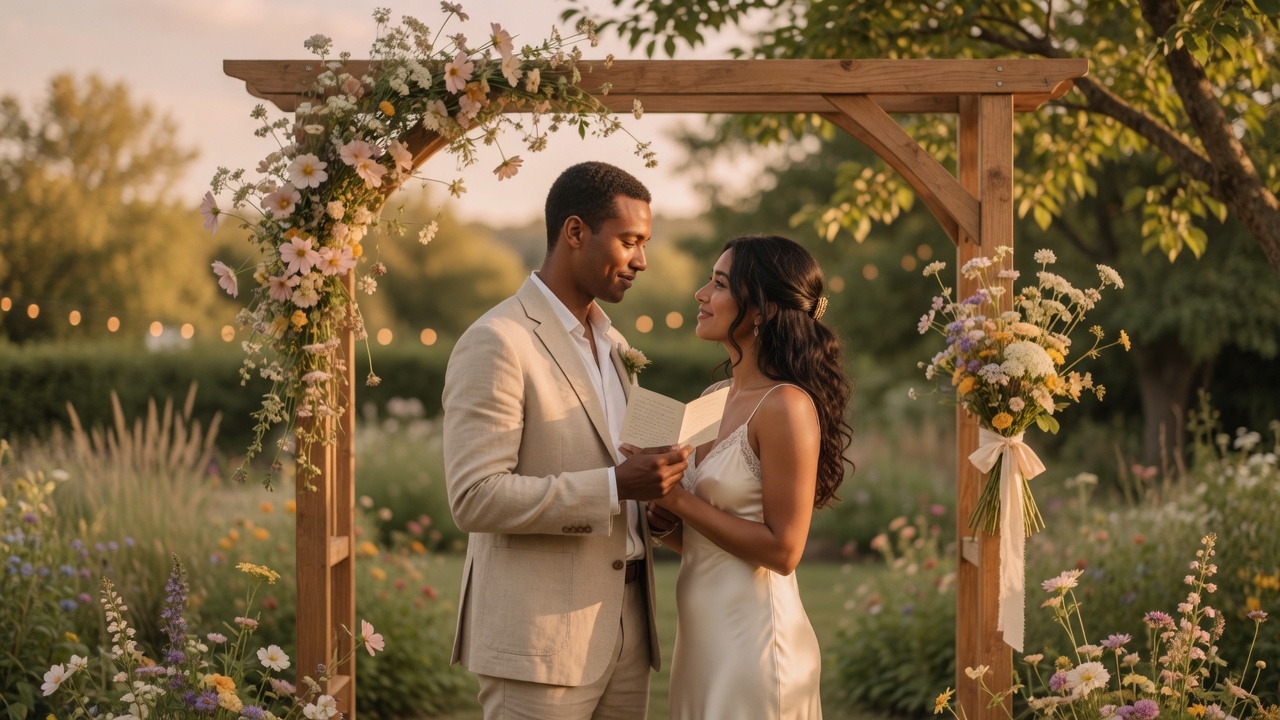
Short modern wedding vows non religious couples actually want are not a truncated traditional script. They are a few clear sentences in the voice you already use — partnership first, no liturgy, no extra poetry you would never say at dinner. Guests hear a complete promise. You hear something you can finish without running out of air.
This guide is for civil ceremonies, backyard weddings, and anyone who wants contemporary language that still feels like a vow. You will get a length target, a writing frame that stays specific, and compact secular examples you can steal the rhythm from — never the details. If you want the broader contemporary craft first, start with modern wedding vows. For the fully secular lane, pair this with ceremony vows without faith language.
What Short Modern Non-Religious Vows Sound Like
They sound decided. The sentences are short. The details are true. There is no borrowed cadence, no sacred formula, and no paragraph that exists only to fill time. You name who they are to you in one line, you make two promises you can keep on a tired Tuesday, and you close while you can still look up.
Modern here means conversational, not slangy. Secular means the meaning comes from the life you share — habits, loyalty, home — not from a tradition you are borrowing for atmosphere. Short means every word earns its place when read aloud.
"You are my favorite person and my safest ordinary day. I promise to keep choosing us — in small rooms and loud ones — with patience, humor, and a full honest heart."
Why Short, Modern, and Secular Belong Together
Length, tone, and source of meaning are three different choices. Plenty of long vows are modern. Plenty of short vows still sound like a hymn. The combination works when you want a civil or outdoor ceremony that does not perform tradition you do not practice — and you still want the moment to feel solemn.
Short protects you from filler. Modern keeps the language in your mouth. Secular keeps the promise human. If you need even tighter samples after you lock the idea, browse compact vow wording and then cut again until nothing generic remains.
How Short Is Short Enough
For most short modern wedding vows non religious ceremonies, forty-five to seventy-five seconds is the sweet range — roughly 80 to 150 words, read slowly. One-liners can work if both of you agree and the officiant is not expecting a speech. Under twenty seconds often feels unfinished unless the rest of the ceremony already carries the weight.
Ask the officiant what is required versus optional. Civil services are often clock-aware. Write a 60-second draft and a 90-second backup, then cut adjectives first. Keep the promises. Practice once standing up so you know where to breathe.
"I do not need a long speech to mean this. I vow to listen before I defend, to celebrate your wins as if they are mine, and to come home to you on purpose."
How to Write Them Without Sounding Thin
Short is not the same as vague. "I love you and I always will" could belong to anyone. Thin vows fail because they skip evidence. Start with a messy list, not a pretty opening line. Give yourself fifteen honest minutes and write four columns: how you met, the habit that still makes you look twice, how they show up when you are tired, and what you want to protect. Circle the lines that make you go quiet. Those are the raw materials. Anything you wrote to sound impressive can wait in the margins and then be deleted.
Then use a four-part frame that fits on a small card. Open with who they are to you in one clean sentence. Add one specific detail the room can follow without a footnote. Make two Tuesday-level promises. Close with a line you can say slowly while looking up. Read every sentence out loud. If it sounds like a greeting card, a legal form, or a speech you would never give again, rewrite it in the voice you use when you are being sincere.
- One true detail only they would recognize
- Two promises you can keep when you are tired
- No metaphor that needs explaining
- A last sentence that still works if every extra word is cut
If a blank page freezes you, start from the vow writing walkthrough and overwrite until the draft sounds like a letter, not a template. For storytelling that stays hyper-specific, borrow structure from deeply personal vow ideas — never the exact details. Specificity is how short secular vows get weight. "I vow to keep the kettle filled when you have a deadline" beats a paragraph about forever.
Short Modern Non-Religious Vow Examples
Steal the arc, not the life. Notice, promise, close. Replace every habit until nobody else could honestly say this paragraph about this person. These samples stay fully secular: human connection, partnership, ordinary days. Keep the understatement. Change the facts.
"I take you as my partner in the life we are already building. I will tell you the truth, keep our friendship under the romance, and love you in the ways that show up on Tuesdays — not only on the days that look like a photograph."
Notice what is missing: a biography of every year, a joke that needs explaining, and a promise so huge it collapses by Thursday. If you want a wider set of tones after you lock your own draft, browse our vow examples collection — read them second so their phrasing does not colonize yours. Then come back and cut until the card is almost empty.
The Last Pass Before You Say Them
The last pass is simple: cut anything that does not sound like you when read aloud. Keep the habit, the nickname used once, and the ordinary-day promise. Drop elevated vocabulary, movie lines, and any sentence that would embarrass you at the dinner table. If a line could be swapped onto a stranger and still sound impressive, it is not yours yet.
"Today I choose you without a script bigger than this: I will be kind when I am tired, curious when we disagree, and loyal in the quiet years as much as the bright ones. You are my person. That is the whole vow."
Ask one trusted person who knows the relationship to listen once — not a committee. Then stop editing two days before the ceremony so the words settle. Print a backup card. Mark a pause before the closing line. Short modern wedding vows non religious couples remember are the ones that sound like a real voice, said on purpose, without a show.
Frequently Asked Questions
What are short modern wedding vows non religious couples should aim for?
They are compact, conversational promises that skip liturgy and still name something true: who your partner is to you, two commitments you can keep on ordinary days, and a close you can say slowly. If you could swap the names and still sound impressive, they are not finished yet.
How long should short modern non-religious vows be?
Most couples do well between forty-five and seventy-five seconds when read slowly, roughly 80 to 150 words. Agree on a range with your partner so both readings feel balanced. Civil and outdoor ceremonies often favor the shorter end.
Can we skip traditional wording entirely in a civil ceremony?
Often yes, as long as any required legal lines are still spoken. Many officiants allow a short personal statement alongside or instead of generic civil wording. Confirm length and required language early so you draft once with confidence.
How do I keep short secular vows from sounding generic?
Use evidence, not adjectives. One specific habit, one quality that is not generic kind or funny, and two Tuesday-level promises will outperform a stack of abstract forever lines. Read the draft out loud and cut anything you would never say at dinner.