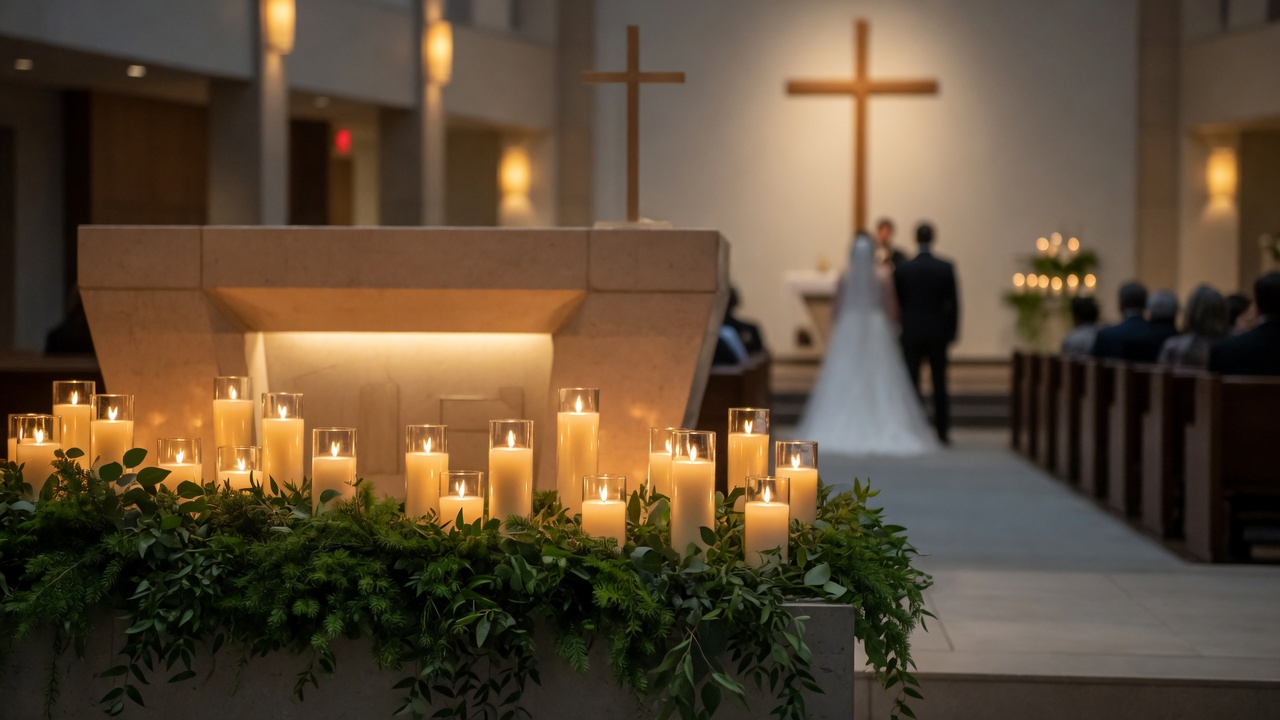
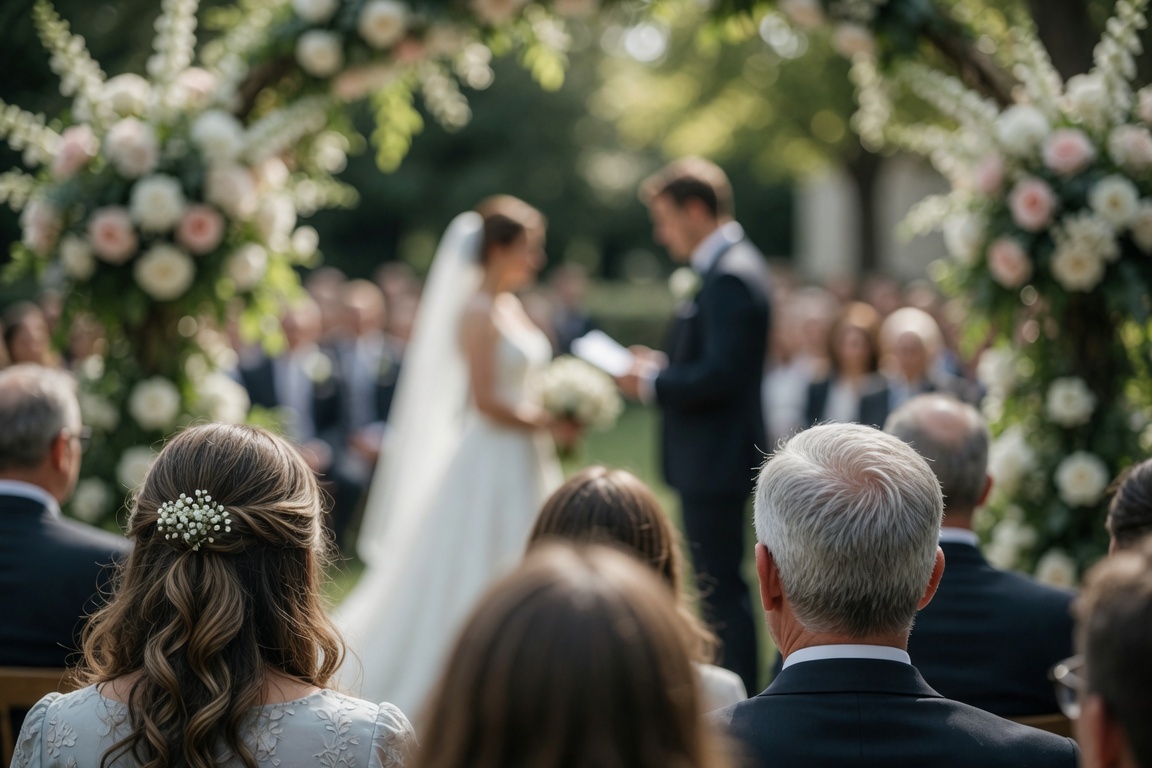
Christian wedding vows are more than beautiful words under an arch. They are a public covenant before God, your community, and the person you are promising to love for a lifetime.
Whether you will speak traditional biblical vow wording, write modern Christian vows in your own voice, or blend both, this guide gives you structure, examples, and scripture ideas that still sound like you. If you are comparing faith traditions more broadly, start with our overview of religious wedding vows, then return here for Christ-centered language you can adapt with your pastor or priest.
The Meaning of Christian Wedding Vows
In Christian tradition, marriage is often described as a covenant — not a temporary contract, but a lasting promise sealed in the presence of God. That is why Christian wedding vows usually hold two truths at once: deep love for your partner, and humble dependence on grace when love alone is not enough.
Good Christian vows name the person in front of you and the faith that will carry you. They thank God for the gift of this relationship. They promise faithfulness, kindness, and perseverance. They may mention Christ as the model of sacrificial love, or the Holy Spirit as the One who strengthens patience on ordinary Tuesdays as much as on the wedding day.
You do not need to sound like a seminary textbook. You need to sound sincere. If you are still learning the craft of structure and length, pair this faith focus with our step-by-step guide on how to write wedding vows so the spiritual heart has a clear arc.
A simple Christian vow frame looks like this: gratitude to God, one specific way you have seen grace in your partner, promises you will keep with God's help, and a closing that chooses them again in Christ.
Traditional Biblical Vow Wording
Many churches still use classic Christian vow forms that echo centuries of liturgy. These lines are familiar, weighty, and easy for guests to recognize. They also leave room for a shorter personal statement before or after the formal exchange, depending on your denomination.
If you love ceremonial language, compare these with broader traditional wedding vows used in civil and religious services, then confirm the exact required wording with your officiant.
Here is a traditional Christian vow example you can adapt (always verify with your church):
"I, [Name], take you, [Name], to be my wedded wife/husband. To have and to hold from this day forward, for better, for worse, for richer, for poorer, in sickness and in health, to love and to cherish, until we are parted by death. As God is my witness, I give you my faithful love, and I make this covenant in the name of the Father, and of the Son, and of the Holy Spirit."
Notice how the promise stays personal — "I take you" — while God is named as witness. That balance is the heartbeat of traditional Christian wedding vows.
Some Protestant services allow slight modernizations of "to love and to cherish" while keeping the covenant structure. Catholic Masses often keep the Rite of Marriage vows more fixed; personal Christian vows may be spoken earlier as a reflection, not as a replacement for the sacramental formula. Ask early so you write once with confidence.
Modern Christian Vow Examples
Modern Christian vows keep the same foundation — God, covenant, lifelong fidelity — but speak in plain, contemporary language. They sound like something you would mean at the kitchen table, not only at the altar.
Use specific details: the way they pray for you before hard meetings, the quiet way they serve your family, the laughter that returns after conflict. Then root those details in faith so the vow is more than a love letter.
"[Name], I thank God for the day He brought you into my life. You have shown me what patient love looks like when I am stubborn, and what joy looks like when we choose each other again. Today I promise to walk with you in faith — to pray with you and for you, to seek forgiveness quickly, and to build a home where grace is spoken out loud. With Jesus as our example of sacrificial love, I give you my heart, my loyalty, and my future."
"Before God and these witnesses, I choose you, [Name]. I promise to honor the covenant we make today — not only when it is easy, but when life is heavy. I will celebrate your gifts, protect our friendship, and remember that our marriage is a gift we steward, not a prize we won. By God's grace, I will love you as Christ loves the church: faithfully, gently, and without keeping score."
If your ceremony is more casual but still Christ-centered, keep one clear spiritual sentence. One honest mention of God or covenant lands better than a paragraph of churchy phrases you would never say again.
Incorporating Bible Verses into Vows
Scripture can deepen Christian wedding vows when you choose one living passage and explain why it belongs to your story. A single verse woven into a promise usually feels warmer than a list of citations.
Beloved options include 1 Corinthians 13 (love is patient), Ruth 1:16–17 (where you go I will go), Ecclesiastes 4:9–12 (a cord of three strands), Ephesians 5 (mutual love and sacrifice), and Colossians 3:12–14 (compassion, kindness, forgiveness). Match the passage to your real relationship, not to Pinterest popularity alone.
"[Name], when I think of our life together, I return to Ecclesiastes: a cord of three strands is not quickly broken. You and I are two strands; Christ is the third. I promise to hold that cord with you — to work, rest, forgive, and hope under God's care. I will not try to be your savior. I will walk beside you toward the One who already is."
Tips that keep verses from sounding stiff:
- Quote only a short phrase, then say what it means in your marriage.
- Prefer a translation your congregation already knows.
- Let the verse support a promise, not replace one.
- If your partner is newer to faith language, choose verses about faithfulness and kindness that still sound human.
Couples writing outside a church setting sometimes prefer secular wording instead. If that is your path, our guide to non-religious wedding vows keeps meaning without faith language — while this page stays focused on Christian wedding vows that name God freely.
Protestant vs. Catholic Vow Differences
Christian wedding vows are not one-size-fits-all across denominations. Understanding the difference helps you write (or not write) personal vows without surprises at the rehearsal.
Many Protestant and non-denominational churches allow couples to write personal Christian vows, sometimes alongside a short traditional exchange. Pastors may review drafts for theology and length. You often have freedom to mention Jesus by name, share a testimony sentence, and use contemporary language.
Catholic weddings celebrate marriage as a sacrament. The essential consent formulas in the Rite of Marriage are typically fixed; couples do not invent substitute sacramental vows. You may still include scripture readings, prayers, and — when the parish allows — a brief personal reflection or letter-style vow before the formal exchange. Always follow your priest and diocesan guidelines.
Orthodox, Anglican, Lutheran, and other traditions each have their own balance of set liturgy and personal speech. Treat this guide as inspiration, not a replacement for your church's order of service.
Practical checklist:
- Ask what wording is required vs optional.
- Ask whether personal vows are allowed, and for how long.
- Share drafts early if faith language must be reviewed.
- Practice out loud so emotion does not rush the sacred lines.
Whether your service is high liturgy or simple and modern, Christian wedding vows work best when they honor both your church and the unique person standing across from you.
For more inspiration on this topic, explore our guide to more about godly wedding vows for a faith-filled ceremony — with examples, structure tips, and wording you can adapt for your ceremony.
For more inspiration on this topic, explore our guide to this guide on biblical vows for a meaningful ceremony — with examples, structure tips, and wording you can adapt for your ceremony.
Couples often continue with Christian Marriage Vows for Him: Faith-Filled Examples after drafting their core promises.
If you want a related angle next, read this guide on christian vows to wife: faith-filled promises she will hear for additional examples and ceremony-ready language.
Frequently Asked Questions
What are Christian wedding vows?
Christian wedding vows are promises spoken in a Christian marriage ceremony that unite lifelong commitment to a partner with faith in God. They often name covenant, grace, Christlike love, or scripture, while still speaking directly to the person you are marrying.
Can I write my own Christian wedding vows?
Often yes in many Protestant and non-denominational churches, as long as your pastor approves the content and length. In Catholic and some other liturgical traditions, the sacramental vow formula is fixed, though personal faith reflections may still be welcome. Confirm with your officiant before you draft.
What Bible verses are good for Christian wedding vows?
Couples often use 1 Corinthians 13, Ruth 1:16–17, Ecclesiastes 4:9–12, Ephesians 5, Colossians 3:12–14, or Genesis 2:24. Choose one verse that already matters to both of you, quote it briefly, and explain how it shapes the promise you are making.
How long should Christian wedding vows be?
Aim for about one to two minutes when read slowly. If your ceremony already includes long readings or a full Mass, keep personal Christian vows shorter so the service stays balanced. Sacred does not require long.
Do Christian wedding vows have to mention God or Jesus by name?
They should reflect your faith honestly. Many couples name God, Christ, or the Holy Spirit directly; others speak of covenant, grace, and calling while still grounding the vow in Christian belief. Follow your conscience and any guidance from your pastor or priest.