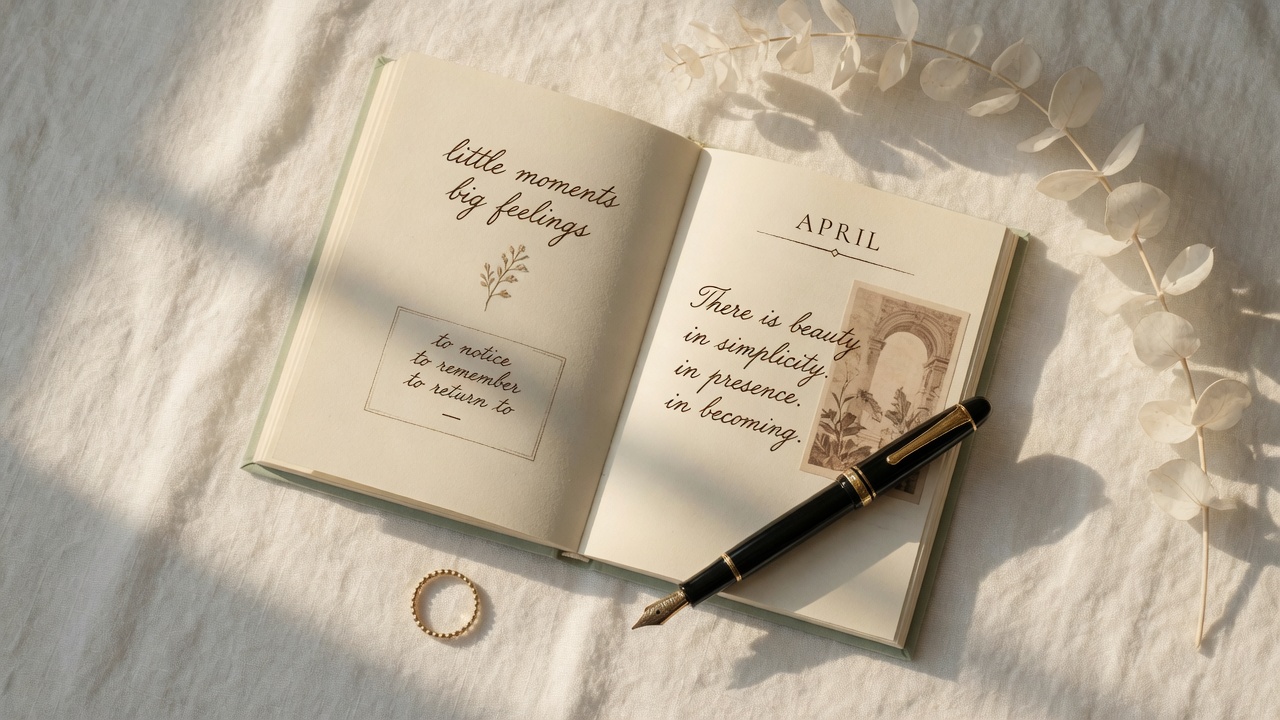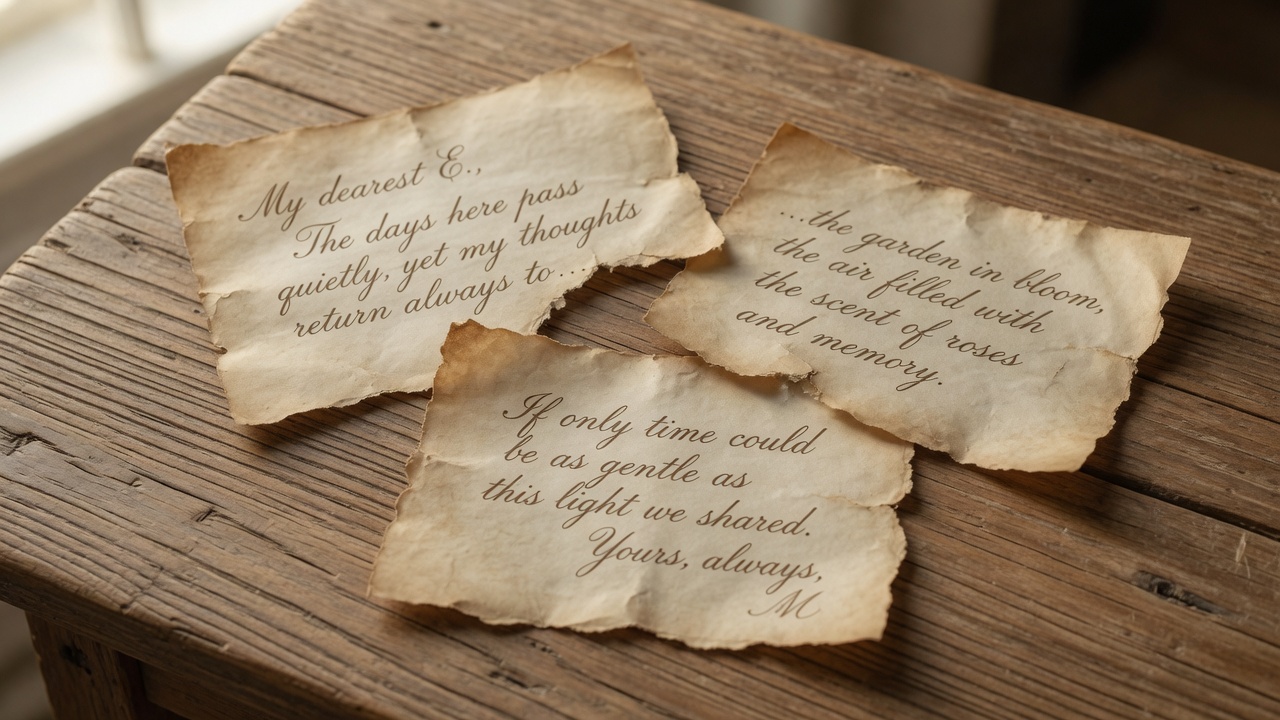

Where to print wedding vow books and keepsakes depends on the object you want in your hand, and the object you want to find in a drawer ten years from now. Some couples want a small book with both vows inside. Some want two thin booklets. Some want a single card that later sits in a frame.
A shop can bind almost any file. It cannot rescue a speech that was written for a microphone and then squeezed onto a card the size of a passport. Finish the words. Then choose the paper.
Pick the Object Before the Shop
Three objects cover almost every wedding. A pair of booklets you read from. One shared book for the shelf. A card that becomes a frame. Pick one before you email a printer.
The object you hold while you speak should win. The shelf version can be a second print, with smaller type and more margin. One file asked to do both jobs usually shrinks the words until they are hard to read with shaking hands.
Three Places the File Can Go
A neighborhood print shop is the right call when the wedding is close and the design is simple. Export a PDF with the fonts embedded. Ask for a heavy uncoated sheet, cream if they have it, and a proof you can hold. A saddle-stitched booklet or a single folded card is enough. You are buying clarity and a spare, not a brand.
A stationer or a letterpress studio is the right call when you want the words set by a person. Lead time looks more like an invitation than a same-week errand. Ask one blunt question: will they print your full text, or only a cover that says your names over blank insides? Many of the prettiest books are blank on purpose. A blank book is a beautiful place to write. It is a different purchase from a print of the vow.
Paper shops and independent makers, including a lot of what you will find searching for vow books, sell that second thing: linen covers, silk ribbon, lined pages, a pair tied together. Read the line about the interior. "Write your own" means you are the printer. "We typeset your file" means they are. Fall in love with the ribbon after you know which one you are buying.
Send the file only after the sentences are done. Finish the sentences before you ask anyone to print them, then export one page per vow if the piece is a booklet. Leave a margin wide enough that a stitch or a ribbon does not eat the last word. A screenshot of a notes app is a hard file for a shop to honor.
A Page Worth Binding
This is the length that belongs in a small booklet. About 130 words. One habit, then promises you can keep on an ordinary week. It is specific enough that a reprint, years later, still sounds like a person.
"I love the way you fill the kettle before I am awake, and the way you text me when the train is late so I do not invent a worse story. I promise to tell you the truth while it is still small. I promise to leave room for your quiet when the house is loud. I promise to keep choosing this table, this city, and this ordinary life with you. When the ribbon on this book has faded, I still want these sentences to sound like the person you married. I marry you, with a full heart and a clear head."
If another couple could read this page unchanged, it is not ready for the binder. Swap the kettle, the train, and the city until the page would fail in a different house. Hold the draft to a vow built from details only the two of you would recognize. Pretty paper makes a generic paragraph look more expensive. It does not make it yours.
One Card, Then a Frame
A card is the kinder object when the ceremony is short, outdoors, or in a room where a booklet would feel like a prop. One side. Type large enough to read without tilting it toward a window. After the day, the same card goes into a frame or the front of the album. You do not need a second design.
If the draft is still a speech, cut it before you shrink the paper. Vow examples you can shorten until they fit a card are useful as length, not as language to copy. Keep one true habit. Let the rest be promises.
A frame wants air around the words. Leave a real margin. Skip a decorative border that will fight the frame you buy later. Cream paper, black or soft gray ink, and if you want the date, set it small at the foot. The vow is the picture.
A Short Vow That Fits the Card
This one sits under seventy words. It is the card, and it is also the page you can frame without looking like a poster of a speech. Change the blanket and the last hour until they are facts from your house.
"You are my favorite voice in a crowded room. I love that you save me the corner of the blanket and the last quiet hour of the day. I promise to be honest, to share the dull work, and to stay gentle when we are tired. I choose you. I will keep choosing you."
If it feels thin, add one more concrete line and stop. A second story is how a card becomes a letter. For the shape of a brief promise that still lands, read brief vows that still hold one real habit and a promise, then come back and set the type larger than you think you need.
Paper and Type You Can Still Read
Choose a cotton sheet or a heavy uncoated card. Glossy photo paper glares when you are the one reading it, and it feels like a menu in the hand. If you can name a weight, ask for something that does not show through. Letterpress wants a thicker sheet. A home inkjet wants paper that will not bloom around the letters.
For a booklet you will read aloud, set the type around 14 to 16 points. Eleven points is a book for a shelf. A plain serif or a calm sans will age better than a script face you have to decipher under string lights. If you want both a ceremony copy and a keepsake, print the one you hold larger, and keep the smaller one for the box.
When to Print, and How Many
Print when the wording is frozen. A rewrite the night before belongs on a fresh card from a hotel printer, not on a letterpress page you cannot replace. Custom work needs the same kind of weeks you would give an invitation. A local shop can often turn a simple booklet in a few days. Ask for the date they need the final PDF, and believe it.
Two copies is the kind number. One to hold. One in a jacket pocket or with the officiant. A third is reasonable if a parent is keeping an album. A stack for the wedding party turns the vow into a program.
If you are also saying words the guests will not hear, print that page apart from the ceremony copy, or bind it behind a blank sheet you do not turn in public. A second set of vows meant only for the two of you can live in the same drawer. It does not have to live in the same booklet you open at the altar.
What to Leave Off the Page
Leave off the roast, the full story of how you met, and any lyric or poem you do not have the right to reproduce. A line you love can sit in your head while you write your own sentence around it. The page you are printing is one you will own for a long time. It should still make sense when the reference has faded.
Leave the thank-you list on the program. The booklet is a vow. Names of every friend who helped will crowd the promise and date the object in a way the promise itself will not. Print the sentences you want to be able to read on an ordinary anniversary, in ordinary light, without an explanation.
Frequently Asked Questions
Where should I print wedding vow books?
Use a local print shop when you want a simple booklet or card on a short timeline. Use a stationer or letterpress studio when you want your finished words typeset. Buy a blank vow book from a paper shop or a maker when you plan to write the vows by hand. Read the listing: lined pages mean you are the one doing the printing.
Can I print wedding vows at home?
Yes, for a single card or a thin folded booklet on heavy uncoated paper. Print a test page and read it in light like the ceremony. If the ink smears, the sheet curls, or the type feels small, take the same PDF to a shop.
What size works for a wedding vow booklet?
A small book you can hold in one hand, roughly four by six inches or A6, is easier at the altar than a full letter-size page. If the type would drop below a comfortable reading size, cut words before you shrink the page.
Should we print one vow book or two?
Print two if you are each reading your own vow. One shared book works when a single person holds it, or when the book is only a keepsake after you speak from memory. Keep a spare card either way, in a pocket or with the officiant.
When should wedding vow books be printed?
Print them when the wording is finished. Custom printing needs about the same lead time as invitations. A local shop can usually turn a simple booklet faster. Keep one plain backup card until the morning of the wedding, in case the nice copy is in the wrong bag.
Can a vow keepsake include words the guests will not hear?
Yes. Print the private page separately, or bind it behind a blank sheet you do not turn during the ceremony. The guests need the vows you are speaking to them in the room. The other page can stay in the book you keep.