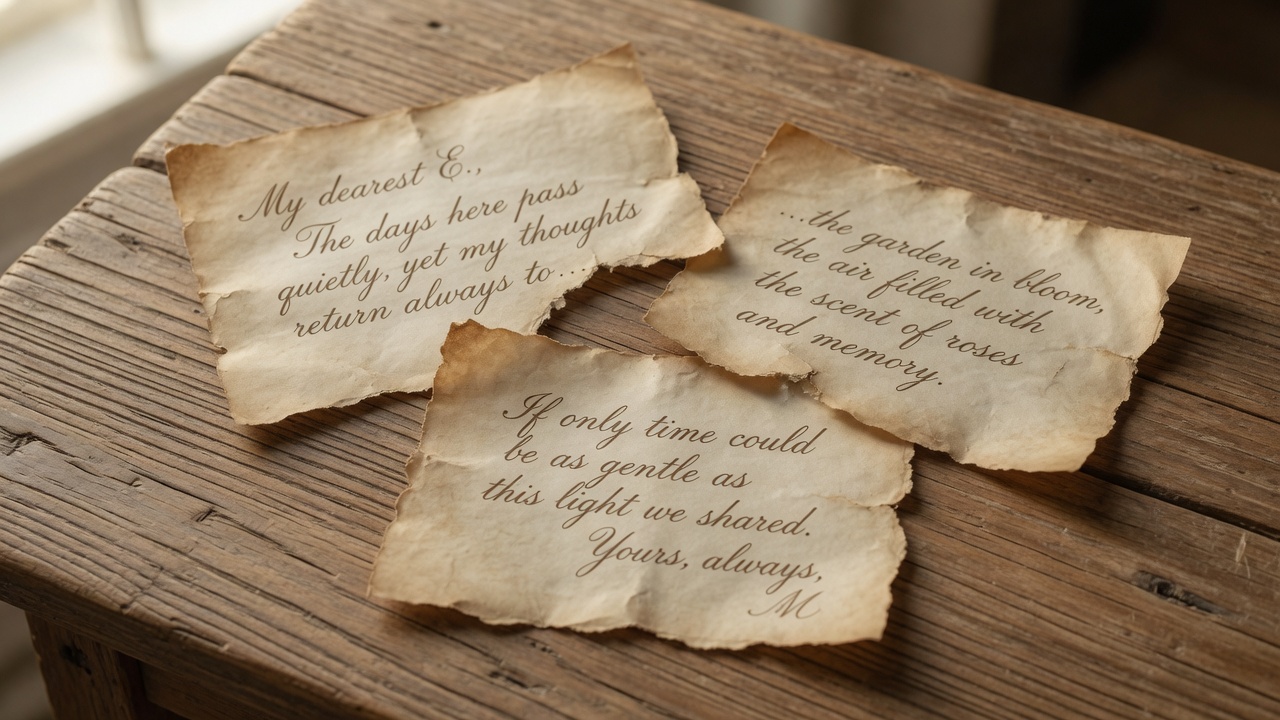

Working with a ghostwriter for custom wedding vows is not a confession that you have nothing to say. It is a way to turn the life you already live into sentences you can read without wincing. You still supply the evidence. They supply the craft: order, pacing, and the cuts that stop a speech from sounding like a greeting card.
This guide is the working relationship, not a shopping list. You will see what a good ghostwriter actually does, what a first week feels like, and how to keep the finished card in your voice. If you are still deciding whether to hire at all, start with whether hiring a vow writer is worth it. Keep custom wedding vows as the test: if you could swap the names and read the same lines at a stranger's wedding, you are not done.
What a Vow Ghostwriter Actually Does
A vow ghostwriter is not inventing your marriage. They interview the ordinary days you would skip because they feel too small, then shape those days into a spoken arc: notice, gratitude, promise, close. The job is translation. Your stories stay yours. The page becomes something you can say while looking up.
They do not officiate, replace your partner's vows, or write a biography of every year you have dated. A finished card should fail the stranger test. Nobody else could honestly say this paragraph about this person. If the first pass could live on a generic stationery aisle, the collaboration has not started yet.
The Working Relationship: Intake, Trust, and Privacy
Ghostwriting only works if you treat the writer like a careful listener, not a vending machine. Intake is the relationship. You will be asked how they show up when you are tired, what you never say in public, and which promises you can keep on a loud Tuesday. That is not nosiness. That is the raw material.
Ask, in writing, who will read your answers, whether your stories may appear as testimonials, and whether both partners are drafted separately. Your Tuesday details should not become someone else's sample without consent. A named writer with a privacy line is a different product from a rotating team that will not say who holds the draft.
"I still think about the night you sat in the car while I finished a hard call. That is the life I want with you — patient, ordinary, and chosen on purpose. I vow to keep showing up that way."
Share more than adjectives. Four short lists beat a novel: one habit nobody else would notice, one turning-point memory, what marriage means on an ordinary week, and words you never want on the card. The ghostwriter cannot protect a private life you refuse to name.
How the Collaboration Usually Unfolds
Most reputable ghostwriters follow the same shape even when the packaging differs. You fill a questionnaire or hop on a call. They draft. You mark what sounds wrong in your mouth. They revise. You receive a clean reading copy. That pipeline is the same one mapped in how professional vow writing services work; this page is about how it feels to sit inside it.
- Week one: intake, tone, length, and the stories you almost left out
- First draft: usually 100–250 words, written to be spoken slowly
- Your pass: circle lines that make your throat tighten; strike anything you would never say at dinner
- Revisions: one to three rounds is normal; infinite rounds is either luxury pricing or a stall
- Done: a formatted card you can print, mark with pauses, and stop editing
Plan for one to three weeks if you want a night of rest between drafts. Rush exists because calendars do. Spoken language still needs a pause. Confirm the deadline before you send a deposit, and do not start a collaboration two days before the ceremony unless you are buying a first pass, not a finished voice.
What You Send vs What They Write
You send evidence. They send craft. Evidence is the grocery-list kind of love: the extra blanket, the joke that still works, the way they settle a crowded room. Craft is order, verbs you would actually use, and the cut that removes "kind," "beautiful," and "forever" unless those words are already yours.
A ghostwriter cannot invent a private life from a form that only says you are soulmates. Vague answers produce vague vows. If you already have a messy paragraph, send it. A good collaborator will keep your contractions and throw out the slogans. You are not paying them to sound impressive. You are paying them to help you sound true.
How to Keep Ghostwritten Vows Sounding Like You
Read the first draft standing up, out loud, once, without stopping to be polite. If a sentence needs explaining, or you would never say it at the table, send it back. Ask them to keep your contractions. Ask them to cut any metaphor you would not use with a friend. The bar is the same as vows drawn from your story: specific memory, keepable promise, close you could say while looking up.
"Before I promise you forever, I want to promise you the days in between. I will stay curious about you, tell you the true thing even when it is small, and choose us when the day is loud and when it is quiet."
Give them a voice sample: a text thread, a toast you already gave, three words you refuse. If both partners share one writer, still answer the intake apart so the two cards do not match like one speech in two voices. Agree on length and tone together. Keep the secrets separate. When a line survives that process, it will not feel borrowed — it will feel like you, edited.
Revisions, Length, and When to Stop Editing
Most ceremonies want about one to two minutes, not a toast. That is roughly 150–250 spoken words if you are not racing. Tell the ghostwriter the clock before the first draft so they are not writing a speech you will later have to gut. For typical spend and what interview time costs versus a form draft, see what professional vow writers typically cost.
"Done" is not a perfect poem. Done is a page you can read slowly without translating it into your real voice on the way to the altar. Stop editing two days before the ceremony so the words settle. Print a backup. Mark pauses in pencil. A last-minute rewrite is how a good collaboration becomes a panic document.
Red Flags in a Ghostwriting Partnership
A quote far below interview prices that still promises a live consult, unlimited revisions, and a fully custom voice is not a bargain. It is a shorter job wearing a longer description. Same-day "soulmate vows" from a form, pressure to post the result as a testimonial before you have said it out loud, and samples where every couple is kind, beautiful, and forever are the same warning in different fonts.
- No named writer, or a rotating team that will not say who drafts your card
- Both partners written from one questionnaire in one voice
- AI-only output sold as interview ghostwriting
- A revision policy that stays vague until you are two days from the ceremony
- A sample that fails the stranger test on the first read
If they cannot explain the process in one paragraph, keep walking. You are not being picky. You are protecting a two-minute speech that will live on video.
When Ghostwriting Is the Right Tool
Hire a ghostwriter if you freeze on a blank page, if English is not the language you feel in, or if the date is close and you still have feelings without sentences. Skip the hire if you already talk this way at dinner and only need a frame. In that case, start with how to write wedding vows and keep the money.
A ghostwriter is a tool, not a verdict on your relationship. The room will hear a ceremony. Your partner will hear whether the details are true. That is the only test that matters on the day.
Frequently Asked Questions
What does a wedding vow ghostwriter actually do?
They interview your real life, draft ceremony language from those specifics, and revise until the page sounds like you. You still supply the memories and promises. They supply structure, pacing, and the cuts that remove generic lines.
Will ghostwritten vows still sound like me?
They should. Give evidence, a sample of how you talk, and words you never want on the card. Read the first draft out loud. If a sentence could swap names and still work at a stranger's wedding, send it back.
How long does working with a vow ghostwriter take?
Most couples should allow one to three weeks including revisions. Rush turns exist, but spoken vows still need time to sound like you when read aloud. Confirm the deadline in writing before you pay.
Do both partners work with the same ghostwriter?
They can, but the writer should draft separately from each person's intake so the two vows do not match like one speech in two voices. Agree on length and tone together, then answer the questions apart.
How much should I share in the intake?
Share concrete evidence, not adjectives: one habit, one memory, what an ordinary week looks like, and any topics that are off-limits. Ask how privacy is handled. A ghostwriter cannot protect stories you never tell them, and should not publish the ones you do without consent.
Is using a ghostwriter for wedding vows cheating?
No. You are still making the promises. A ghostwriter is an editor and interviewer, the same way a photographer is not faking the day. The vows fail if the details are untrue, not if someone helped you say them clearly.